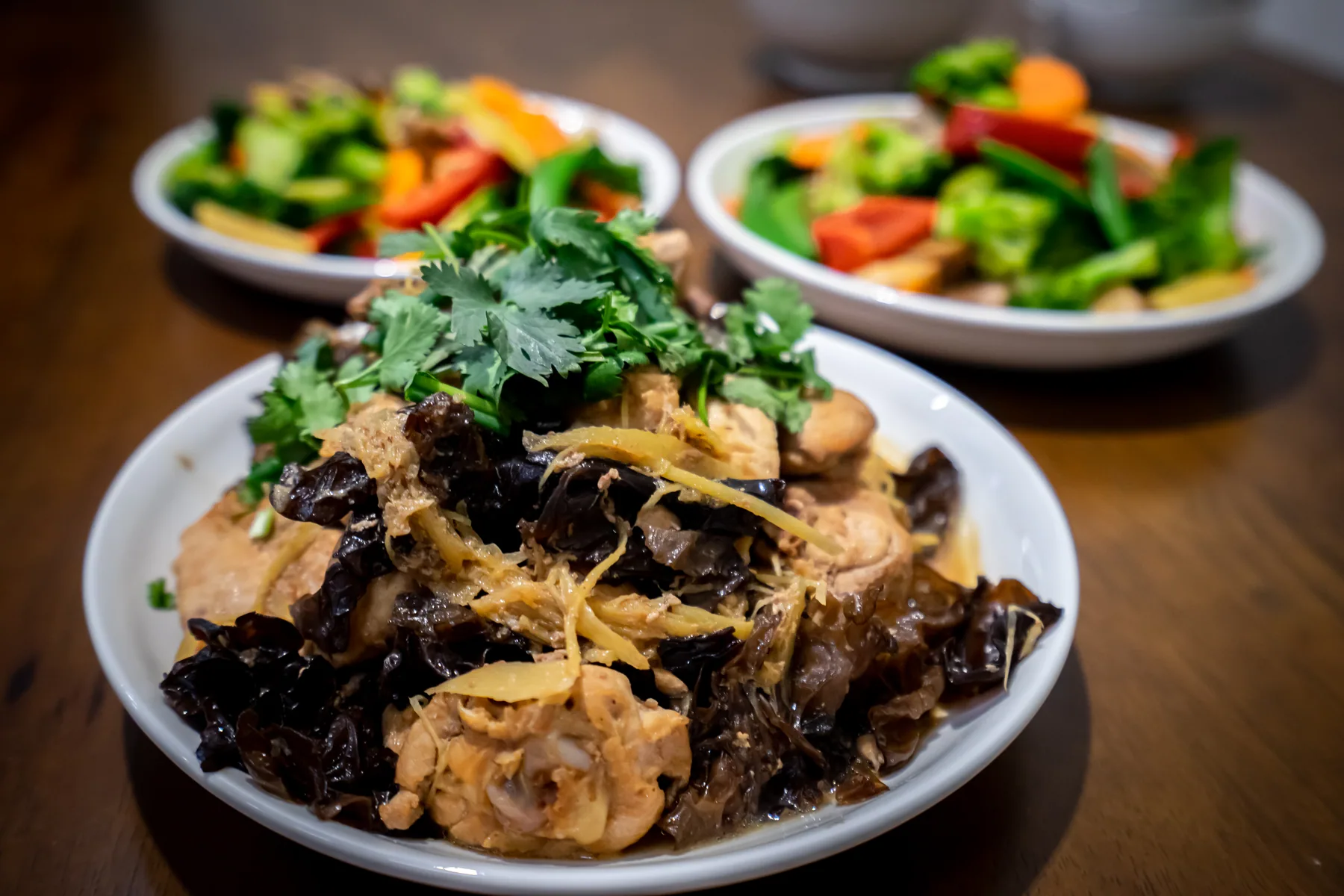
A useful confinement menu supports recovery and is realistic enough to eat every day. It should combine balanced nutrition with the family's cultural preferences, allergies, appetite, medical advice, and available kitchen setup.
Start with the mother's actual needs
Before planning dishes, discuss:
- Food allergies, intolerances, and religious requirements.
- Foods the mother dislikes or cannot manage after delivery.
- Whether she is breastfeeding and any advice from her healthcare team.
- Health conditions that affect diet, such as gestational diabetes follow-up or anaemia.
- Who else in the household will eat the meals.
- How traditional the family wants the menu to be.
Put these preferences in writing before the nanny arrives. This avoids waste and gives the nanny time to suggest workable alternatives.
Balance tradition with nutrition
Confinement traditions can carry family meaning, but they should not crowd out whole food groups or medical advice. HealthHub's postpartum nutrition guide notes that many traditional restrictions have limited scientific support and recommends a balanced diet that includes fruit, vegetables, grains, protein foods, and dairy or suitable alternatives.
The same guide encourages nutrient-dense foods and advises speaking with a healthcare professional before using herbal products or supplements, particularly during breastfeeding.
A simple meal-building framework
Part of the mealExamplesPlanning question ProteinFish, poultry, eggs, tofu, beans, lean meatWhat is comfortable to eat and suitable for the mother's health needs? Vegetables and fruitLeafy greens, broccoli, pumpkin, mushrooms, papaya, guavaHow can colour and fibre appear across the day? Energy foodsRice, oats, noodles, potatoes, wholegrain breadWhich options are satisfying without feeling too heavy? FluidsWater, milk, soups, lower-sugar drinksWhat can stay within easy reach during feeds?Build variety into the week
Variety does not require a complicated menu. Rotate the cooking method, protein, vegetables, and flavour profile. A steamed fish meal, chicken soup, tofu dish, and braised meal can all feel different while using overlapping ingredients.
Ask the nanny to check portions and taste after the first few days. Appetite often changes. Guests, older children, and a partner's schedule can also affect how much food the household needs.
Be careful with alcohol, herbs, and supplements
Do not assume that cooking removes all alcohol. HealthHub explains that some alcohol may remain depending on the cooking time and method, and recommends that nursing mothers avoid alcohol. Ask a doctor, pharmacist, dietitian, or registered TCM physician about herbs and supplements rather than relying on a general confinement rule.
Questions to ask a nanny about cooking
- How do you plan a menu around allergies and dislikes?
- Can you cook less salt, less oil, or milder flavours when requested?
- How do you manage raw and cooked food safely in a small kitchen?
- How often do you review the menu with the family?
- Which dishes can be adjusted for other family members?
The goal is not a perfect-looking menu. It is food that supports recovery, respects medical needs, and makes the mother want to eat. See the real food and kitchen work included in NannyMoon's training process, or discuss dietary preferences when you request a care plan.